
Feb. 27, 2026
“WIG”-ING OUT: New Bills Aim to Allow the Sale of Both Wine and Liquor in New York Grocery Stores
- Posted By: Alexandra Becker
- Category: Featured Industry Updates Alcoholic Beverages
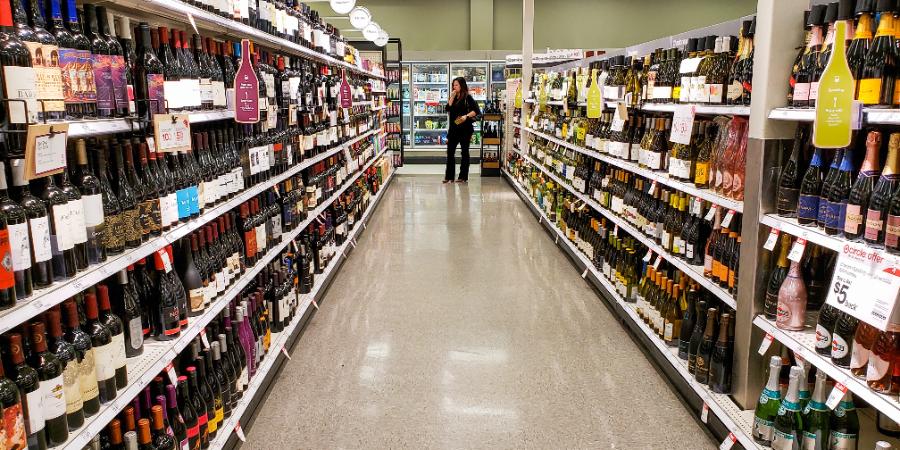
New legislation proposed in both the New York State Senate and Assembly would allow grocery stores to sell wine and liquor; a huge departure from the state’s current laws. The bills would, as a concession to liquor and wine stores, permit them to sell certain low potency cannabis beverages with up to 5 milligrams of THC.
Currently, New York’s Alcoholic Beverage Control law only allows the sale of wine and liquor for off-premises consumption at designated, independent wine and liquor stores. Individuals are also prohibited from holding more than one such license within the state. Liquor stores are also extremely limited in the types of non-alcoholic products they are permitted to sell, which are generally restricted to items such as ice, spring water, glassware, corkscrews, wine gift bags and related items. Liquor stores are not currently permitted to sell THC products of any kind. In terms of alcohol, grocery stores and convenience stores in New York are currently allowed to sell only beer, cider and related products, though they are also able to obtain cannabinoid hemp licenses, which permit them to sell certain CBD products, including those which contain low amounts of hemp-derived THC.
New York is one of only ten states that do not currently allow grocery stores to sell at least wine. The concept of allowing the sale of wine-in-grocery-stores, or, “WIGS” has been proffered a number of times by the state legislature, including as recently as last year, but has historically been greeted with outcry by package store owners, and has never been implemented. The Commission to Reform the Alcoholic Beverage Control Law in its final report released in 2023, voted against allowing WIGS, while simultaneously recommending a number of other changes to modernize New York’s laws governing alcoholic beverages. Historically, the primary argument against allowing WIGS has been that it would lead to the demise of independent package stores. Moreover, if allowed, it would also primarily benefit the larger wine manufacturers, as grocery stores would have limited space to devote to wine and would prioritize stocking better known brands over smaller, more esoteric labels.
The new legislation goes a step further than prior WIGS proposals and would allow grocery stores to sell not only wine but also liquor. The proposed bills would amend the existing laws to remove barriers to current licensees, in that they would allow existing grocery stores holding wholesale licenses to effectively bypass the 200-foot rule which otherwise prohibits businesses selling liquor from being located within 200 feet on the same street as schools and places of worship. It would also eliminate the prohibition on an individual holding more than one license to sell liquor or wine for off-premises sales.
Prior WIGS bills included criteria that sought to limit the applicability to stores of at least 4,000 square feet in size and those located 500 feet or more from the nearest existing wine and/ liquor stores. The current bills do not include those limitations, thus effectively allowing grocery stores of any size- from big box stores to bodegas- to potentially sell both wine and liquor, regardless of their proximity to existing liquor stores.
Prior proposals involving WIGS also generally contained additional concessions for liquor stores, such as limitations on the number or types of wine that grocery stores could sell. Other proposals included an expansion of the non-alcohol products permitted to be sold by wine and liquor stores- such as cheese, crackers, cured meats, and other items which typically accompany wine- to help offset any revenue lost by the impact of WIGS. It seems unlikely that liquor store owners would consider the ability to sell low potency THC beverages as sufficient to offset the negative impact of allowing virtually any grocery store to sell not only wine but also liquor, seemingly without limitation.
Proponents of the current bills assert that allowing grocery stores to sell wine and liquor will help to make shopping more efficient for consumers while also boosting the alcoholic beverage industry generally. Opponents argue that it will give more power and revenue to large chains (i.e. grocery stores) while putting independent package stores out of business.
This proposed legislation is the latest effort to reform New York’s alcoholic beverage laws, which date back to the post-prohibition era. Recent changes have included legalizing the sale of alcohol to-go, and allowing on-premises licensees, such as restaurants, to purchase limited quantities of wine and liquor directly from liquor stores.
Given the recent momentum surrounding WIGS, we can reasonably expect a myriad of new proposals; some of which may, like the instant bills, also seek expanded liquor sales. There can be no doubt that, for better or worse, approval of WIGS in any form would represent a major change to New York’s alcoholic beverage retail industry.
If you have questions regarding the operation of your existing New York licensed business or are contemplating applying for a new license, don’t hesitate to get in touch with Alexandra Becker by e-mail (abecker@woh.com) or phone (518.487.7725) to see how the Alcoholic Beverage Team at Whiteman Osterman & Hanna may be able to assist.